
Filipino weddings in Toronto and the GTA are deeply rooted in Catholic tradition, and the ceremony carries a ritual density that sets them apart from most Western church weddings. The cord and veil sponsors — the ninong and ninang — are honoured guests whose roles are woven into the ceremony itself, presenting the lazo (cord) and veil that symbolise the unity and shared shelter of the couple's new life. The arras, thirteen gold coins blessed and exchanged between the couple, represent the groom's commitment to provide for the family. These are not decorative rituals; they are the ceremony's structural core, and they must be photographed with the same seriousness they carry.
Filipino Wedding Photography in Toronto & the GTA
The cord and veil, the arras, the money dance — every tradition photographed with care and genuine understanding.
Scroll
At a Glance
Tara Weddings has documented Filipino weddings across the GTA since 2011. We understand the cord and veil ceremony, the arras (thirteen coins), the unity candle, the money dance (sayaw sa salapi), and the multi-sponsor Catholic ceremony structure that defines Filipino wedding traditions in Toronto.
Filipino Weddings
Filipino Wedding Photography in Toronto & the GTA
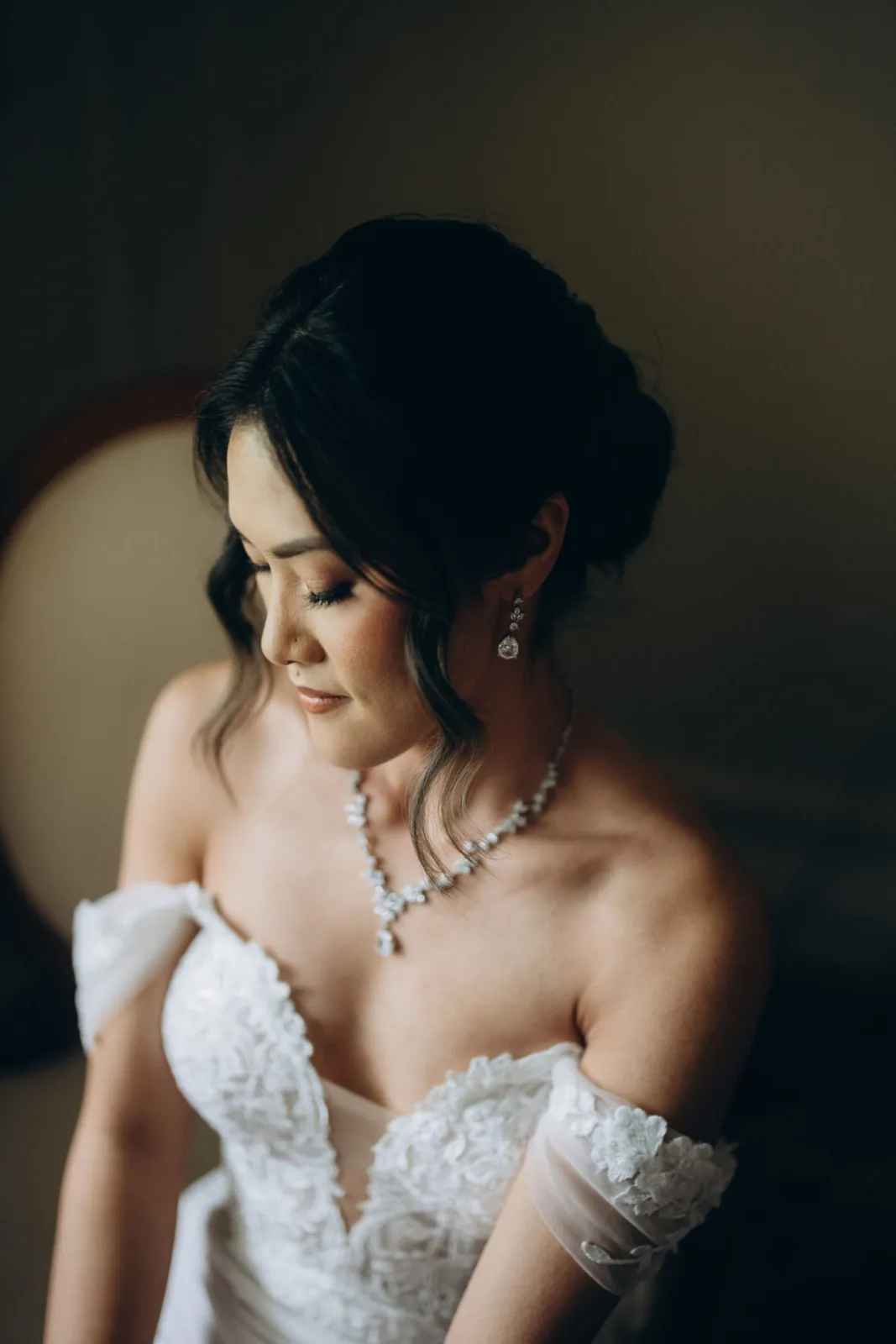
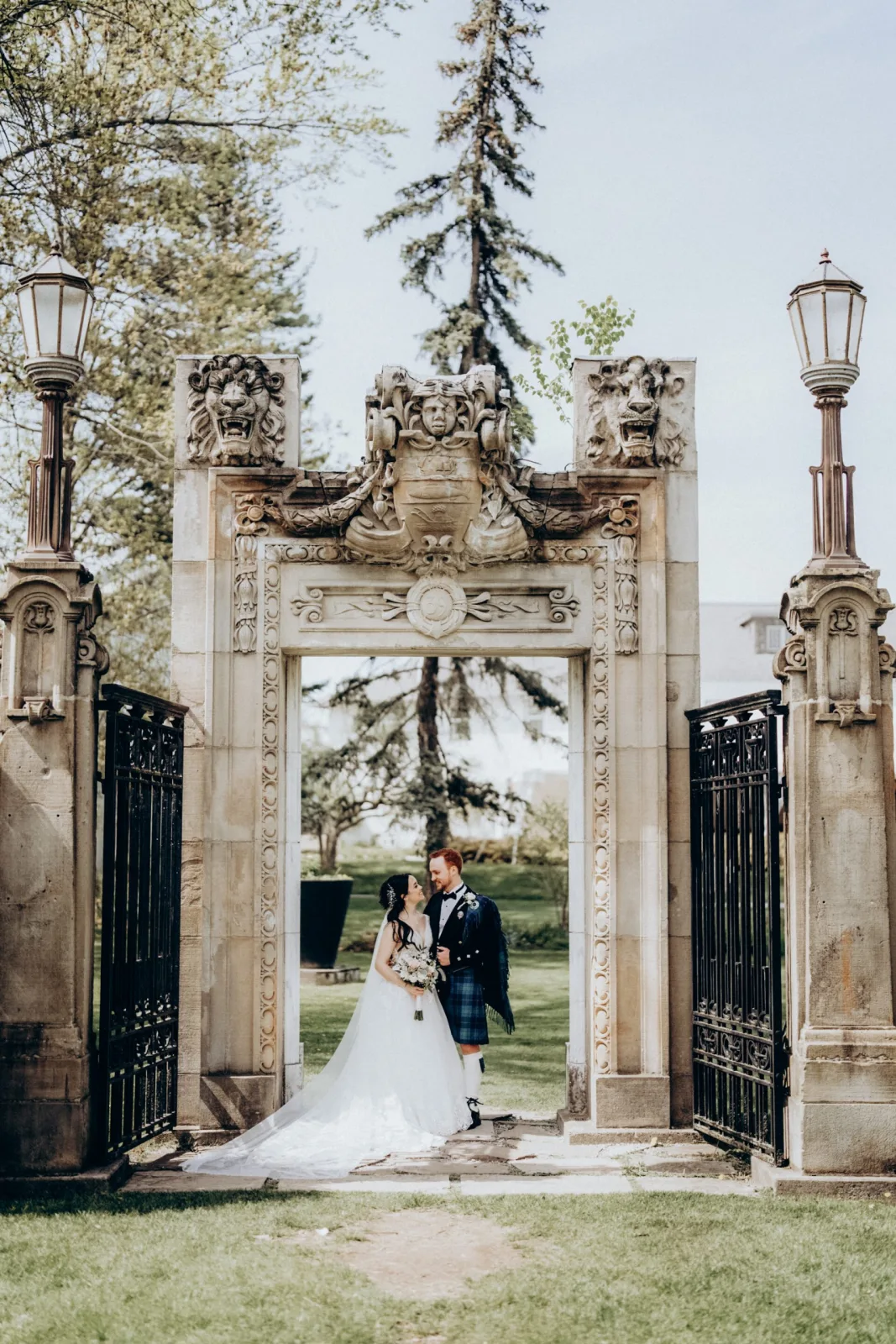
Since 2011, we have photographed Filipino weddings across the GTA's large and geographically spread Filipino community — in Mississauga, Brampton, North York, Scarborough, and Etobicoke. The weddings range from intimate parish ceremonies to large 400-person celebrations, and the reception often extends well into the evening with the money dance (sayaw sa salapi), traditional games, and the sustained energy of a Filipino family in full celebration.
We approach Filipino weddings with the combination of Catholic ceremony knowledge and cultural sensitivity these events require. We know the sequence of the rites — the entrance of the sponsors, the exchange of the arras, the placement of the cord, the draping of the veil, the lighting of the unity candle — and we plan our positions so that every moment of the ritual sequence is covered from an angle that honours its significance.
Filipino Wedding Traditions We Capture
Cord and Veil Ceremony (Lazo and Belo)
The lazo — a ceremonial rope or cord looped around the couple's shoulders in a figure eight — represents the eternal bond of marriage. The veil, draped over both partners, symbolises a shared life under one shelter. Ninong and ninang sponsors present and place these elements at the direction of the priest. We photograph the ceremony from a position that captures both the sponsors' roles and the couple's faces as the cord is placed — the expression in this moment is always worth preserving.
Arras — The Thirteen Coins
The arras ceremony involves the priest blessing thirteen gold coins, which the groom places in the bride's cupped hands as a pledge of provision and shared stewardship. It is one of the most intimate ritual moments of a Filipino Catholic ceremony, conducted at close range between the couple with the priest's words providing the context. We photograph the coins, the hands, and the expressions in a sequence that documents this rite fully.
Ninong and Ninang Sponsors
Filipino weddings often include a large roster of sponsors — couples honoured to stand with the couple during specific rites. The principal sponsors sign the marriage certificate and present the arras, cord, and veil. Secondary sponsors light the candles, provide the Bible, and assist in other ceremonial roles. We document the sponsors' arrival, their role in each rite, and their portraits as part of the formal wedding party documentation.
Money Dance (Sayaw sa Salapi)
The money dance is a beloved Filipino reception tradition in which guests pin or tape bills to the bride and groom's clothing as they dance, with each guest taking a brief turn on the dancefloor with the couple. It is simultaneously a community fundraising gesture and an expression of collective goodwill. We photograph the queue, the pinning, the couple's expressions with each guest, and the final effect of the evening's accumulation — a genuine and visually distinct tradition.
Unity Candle and Ceremonial Details
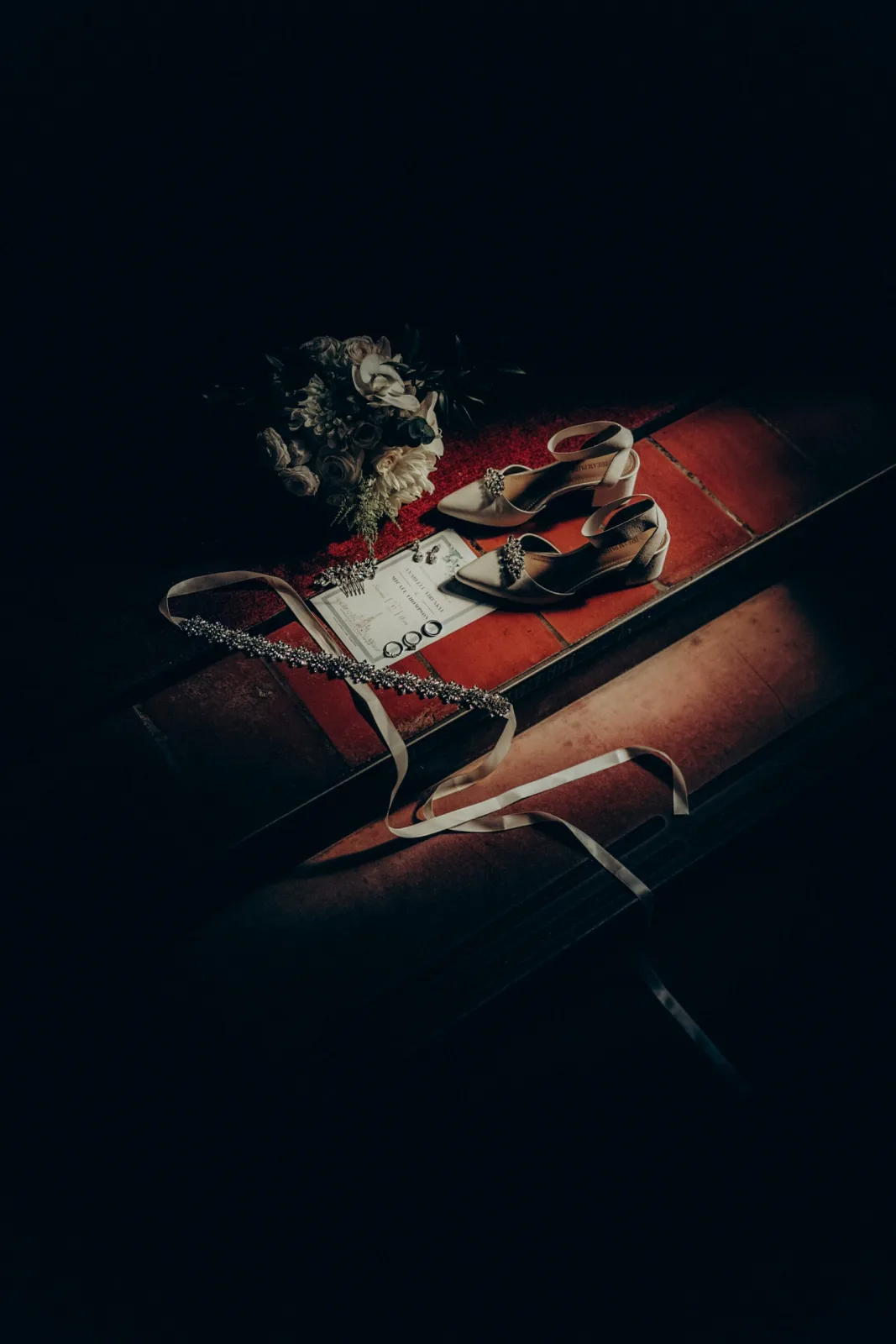
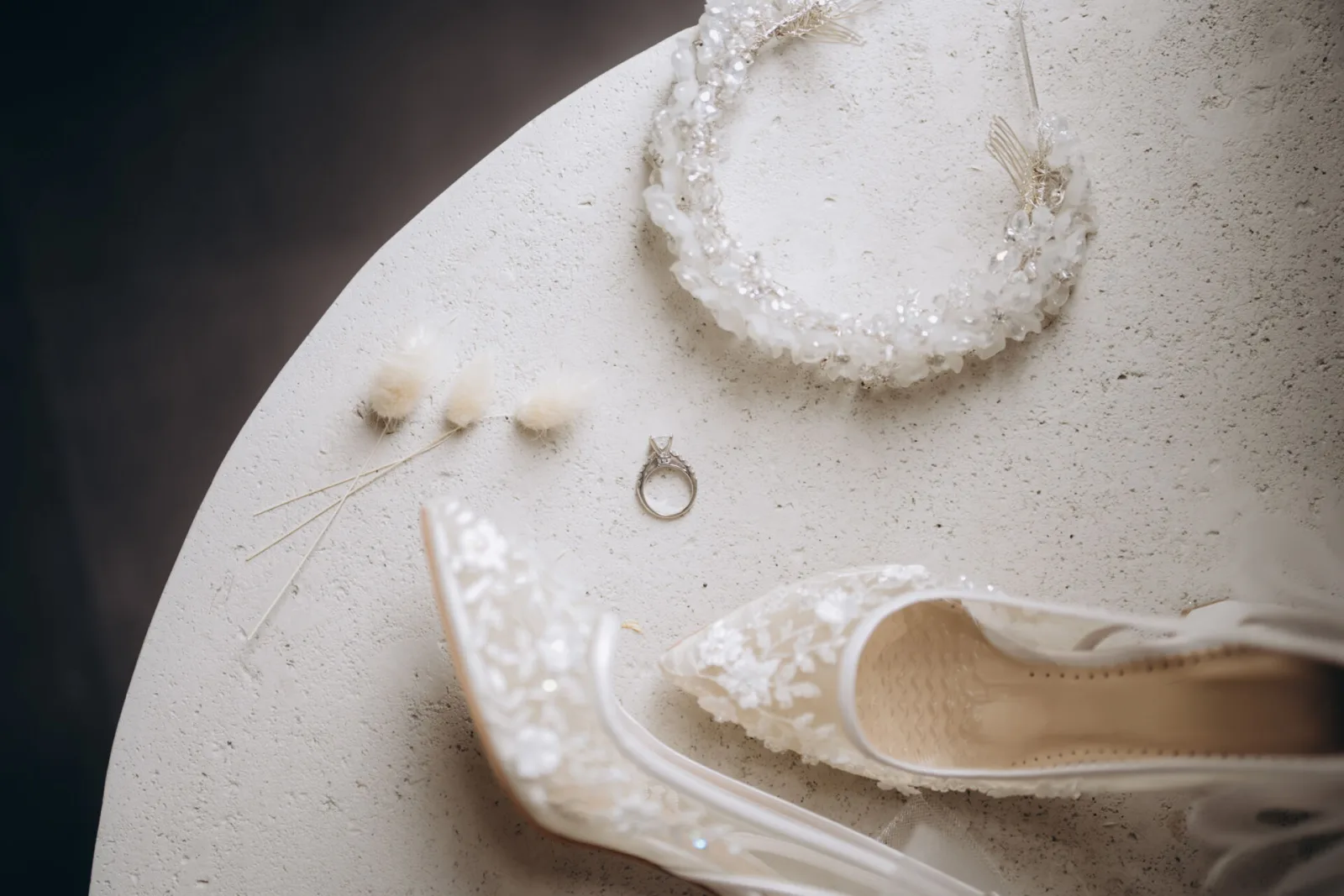
The lighting of the unity candle — parents of both families lighting the side candles from which the couple lights the central flame together — represents the merging of two families as well as two individuals. We document the parents' approach, the lighting, and the couple's holding of the central candle together. The ceremonial details — the arras box, the Bible, the cord arrangement — are also photographed as still-life elements that form part of the complete documentary record.
Reception Traditions and Family Celebrations
Filipino receptions in the GTA are warm, communal, and fully engaged from the couple's entrance to the last dance. The cotillion de honor — a choreographed debut-style dance performed by friends and family — appears at some Filipino weddings as a reception performance. The bouquet and garter traditions, the first dance, parent dances, and the money dance create a structured but joyful programme that we follow closely through the evening.
Our Experience with Filipino Weddings in the GTA
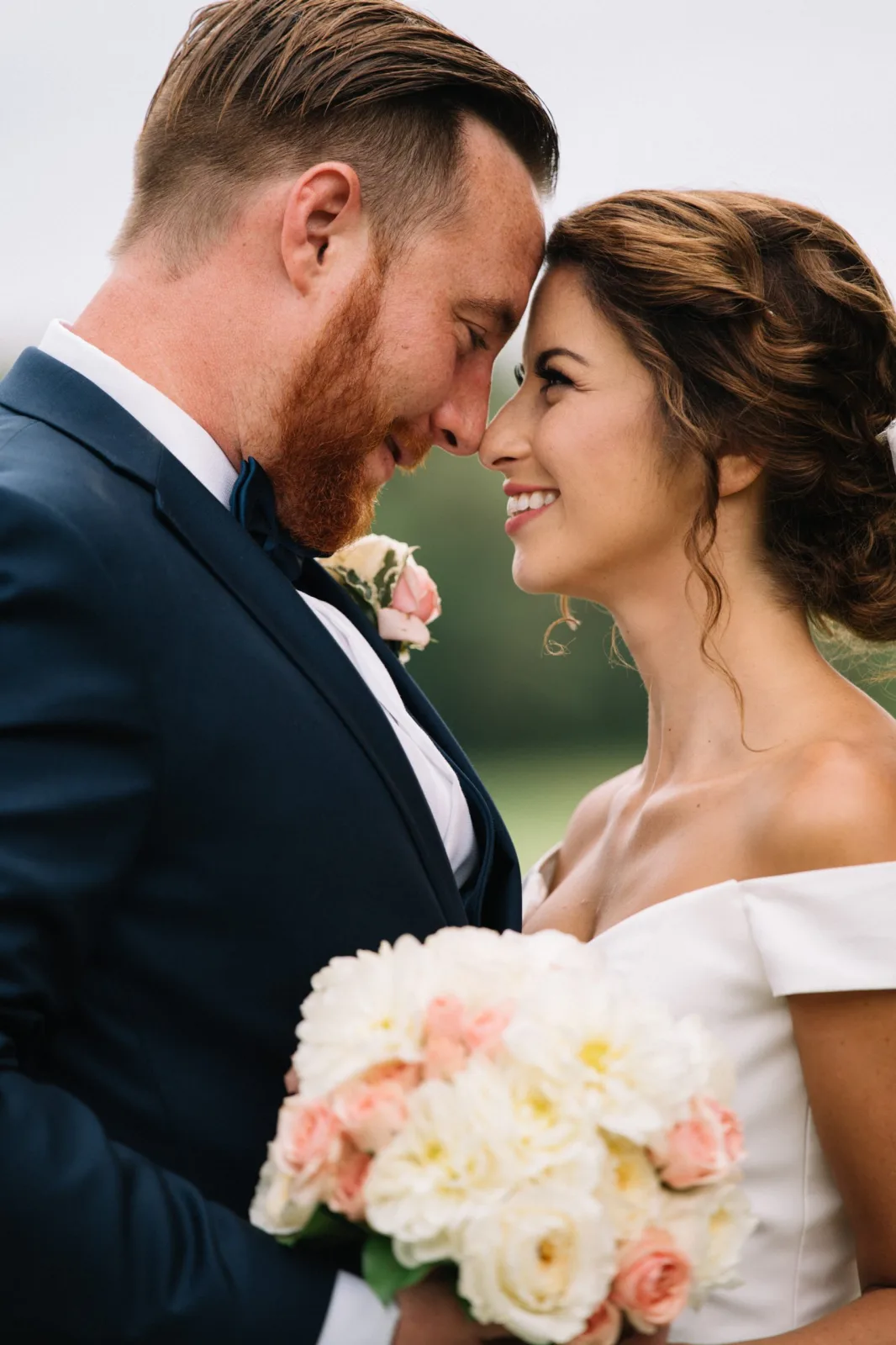
The GTA's Filipino community is one of the largest in Canada, spread primarily across Mississauga, Brampton, North York, Scarborough, and Etobicoke. Filipino weddings are predominantly Catholic, and the church ceremony — with its multiple sponsor roles and layered ritual sequence — requires a photographer who understands the ceremony from within rather than observing it from the outside.
Over more than 15 years, we have built that understanding. We know that the lazo is placed by the ninong, not the priest. We know that the arras ceremony often follows the exchange of rings in the Filipino Catholic sequence, and we plan our position accordingly. We understand the Tagalog phrases that signal the transitions in the ceremony, even if we are not fluent in the language — because knowing the liturgical cues matters as much as physical positioning.
Filipino receptions in the GTA are characterised by an abundance of food, dancing, and a guest count that reflects the community's generous and inclusive social culture. Large weddings of 300 to 500 guests are common, and the evening programme — with its structured reception elements and the organic social celebration around them — requires a photographer who can work both the planned moments and the unplanned ones with equal confidence.
We also recognise that Filipino wedding families often include multiple generations with strong opinions about formal portraits. We balance the family's portrait expectations with our editorial approach to candid documentation, ensuring that the albums we deliver reflect both the formal record the family wants and the authentic moments that tell the real story of the day.
What Couples Say
4.9 ★★★★★ · 123 Google reviews“The photos came out amazing. Very understanding, pro-active photographers with loads of patience.”
“June 2023: I wanted to come on here to update my review. Unfortunately I can't leave 2 reviews or else I would be doing that. This team of photographers and videographers are so incredible that I cannot stop talking about them. You can not go wrong with booking Tara Weddings for your wedding. The photos and videos they have produced are honestly so beautiful, we can't stop…”
“Amazing Photos and Videos ! Tara Weddings Photography company filmed for my parents 25th anniversary, it was truly a memorable moment to document with their technology and swift photography skills. I am very happy with the outcomes as well. Certainly a company to hire for your next event !”
“Paul and his team are great. We hired them for our wedding and wedding reception, which were on different dates and venues. They were very friendly, on time at all the different spots where we asked them for photos/videos and did a great job overall. We would highly recommend them!”
Our Approach to Filipino Wedding Photography
Filipino ceremonies require precise positioning because the ritual sequence at the altar moves quickly and involves multiple participants — the couple, the priest, and the sponsors — in close proximity. We establish our position at the start of the ceremony, before the sponsor rites begin, and move minimally so as not to disrupt the liturgical space. We use longer lenses to capture close expressions without approaching the altar.
For the money dance, we take a more active documentary approach — moving through the queue, capturing individual moments of guests with the couple, and photographing the couple's expressions through the full sequence of their exchanges. This is one of the reception's most photographically productive traditions, and we treat it as such.
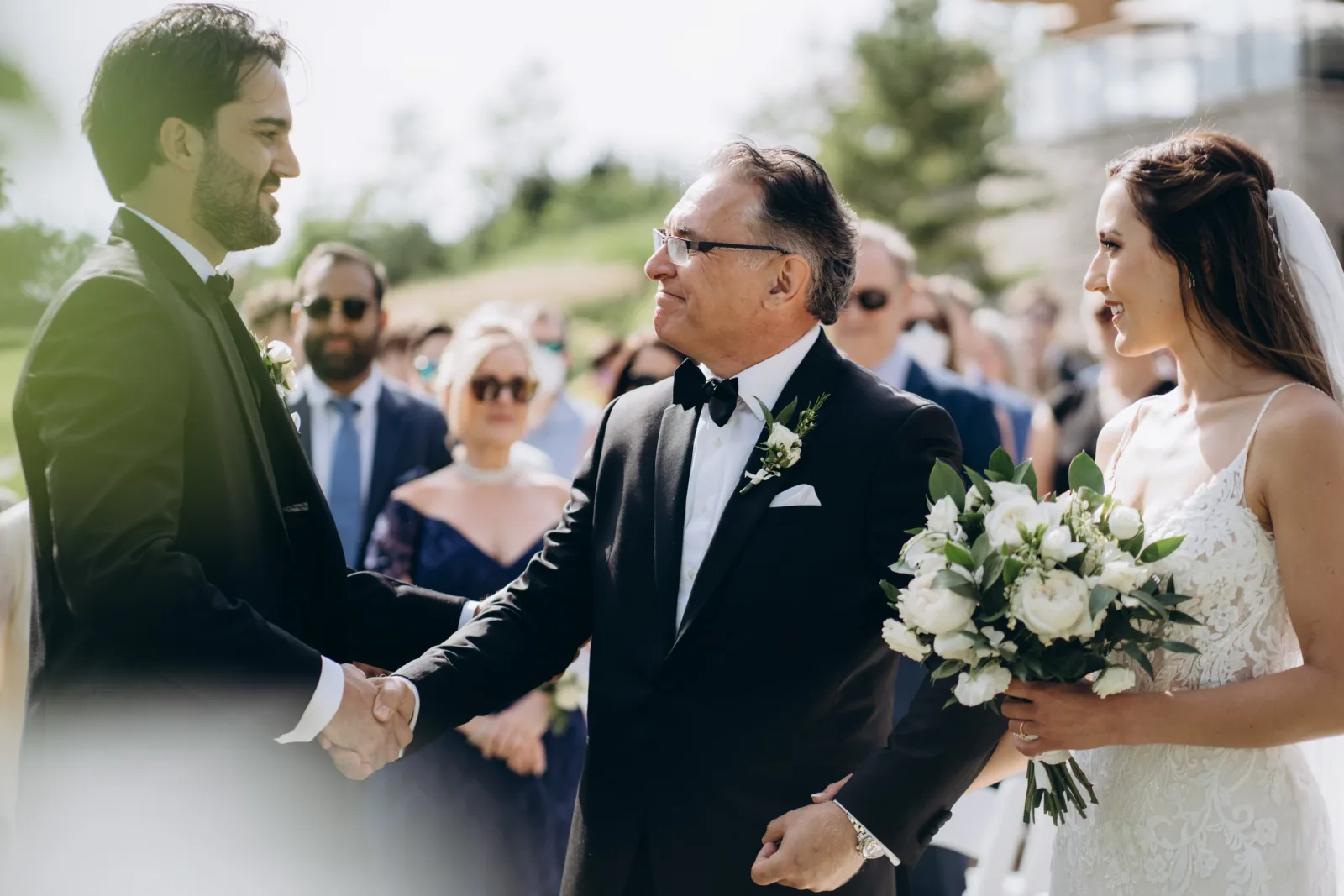
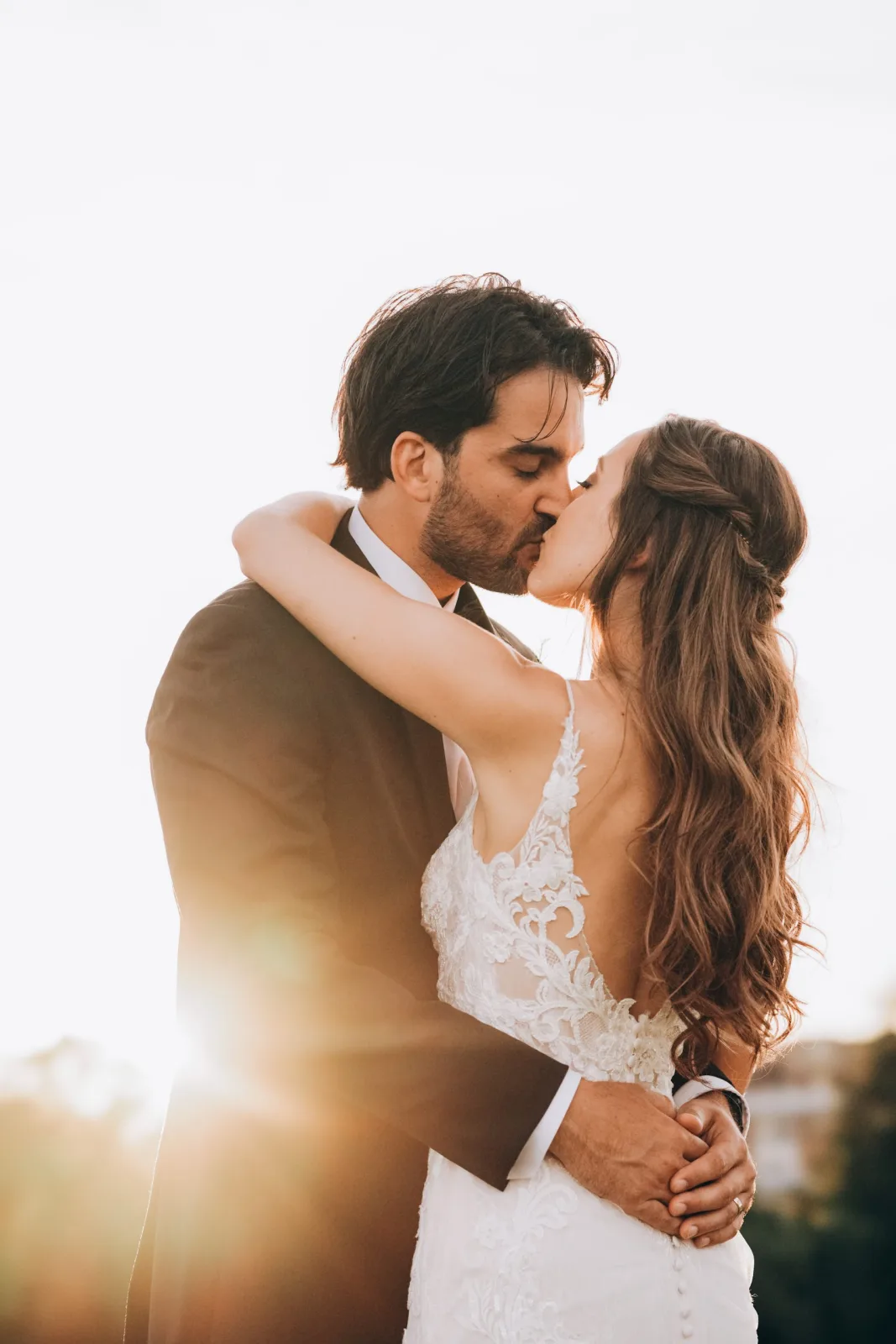
Family portraits at Filipino weddings benefit from an organised approach. Families are large and the portrait wishes are often extensive. We work with a designated family coordinator — usually a member of the bridal party who knows the family structure — to move efficiently through the portrait list. This keeps the session productive and ensures that every important family grouping is covered without the session running into the reception programme.
Filipino Wedding Tips
Provide a Full Sponsor List Before the Wedding
The list of principal and secondary sponsors, along with which rite each is responsible for, helps us understand who to look for during the ceremony. Knowing which couple is presenting the arras and which the cord means we can position for those moments in advance rather than identifying participants mid-ceremony.
Plan the Money Dance Sequence with Your MC
The money dance works best when the MC manages the queue and the couple understands the flow. A brief discussion of the logistics — how guests are called, whether it is one at a time or in pairs, and the approximate position of the couple on the dancefloor — helps us position cameras for the best angles throughout the sequence.
Confirm Church Photography Guidelines in Advance
Catholic parishes across the GTA have varying rules about photographer movement during the Mass. Some restrict flash entirely; others require photographers to remain in designated areas during the Eucharist. We contact the parish office before the wedding to understand the specific guidelines and plan our approach accordingly.
Allow Time for the Cotillion if Planned
If a cotillion de honor is part of your reception programme, it benefits from a dedicated photography position agreed upon with the choreographer. We can capture both the performance and the audience's reaction from good angles if we know the choreography's staging in advance. A brief rehearsal run-through the evening before, if possible, helps significantly.
Build a Family Portrait Time Block
Filipino wedding families are large and the portrait list is typically long. We recommend a dedicated 45-to-60-minute portrait block — ideally during cocktail hour — with a family coordinator helping to move groups efficiently. Starting with the largest family groupings and working toward smaller ones is the most efficient sequence.
Want a wedding film alongside your photographs? Our Filipino wedding videography page covers how we capture ceremony audio, the money dance, and your full reception on film. Filipino wedding films →
More Traditions We Cover
Filipino Weddings — FAQ
Talk to Us About Your Filipino Wedding
Filipino weddings bring together family, faith, and tradition in a celebration unlike any other. We'd love to hear about yours — reach out to discuss your programme, ask about availability, and learn how we approach Filipino wedding photography across the GTA.