
The Lễ Gia Tiên — the ancestral veneration ceremony — is where a Vietnamese wedding truly begins. Before the couple is formally united, they stand before the family altar, offer incense and tea to the ancestors, and receive the blessing of those who came before. This is not a preliminary formality; it is the ceremony's spiritual foundation, the acknowledgement that a marriage takes place within the living continuity of the family's history. The altar, the incense smoke, and the couple's bowed posture before it are among the most meaningful images from any Vietnamese wedding.
Vietnamese Wedding Photography in Toronto & the GTA
The ancestral altar, the áo dài, the tea ceremony — Vietnamese wedding traditions photographed with full cultural understanding.
Scroll
At a Glance
Tara Weddings has documented Vietnamese weddings across the GTA since 2011. We understand the Lễ Gia Tiên (ancestral altar tea ceremony), the áo dài and its multiple outfit changes, the formal procession of gifts in red lacquered boxes, the betel leaf and areca nut tradition, and the multi-day structure of many Vietnamese celebrations.
Vietnamese Weddings
Vietnamese Wedding Photography in Toronto & the GTA
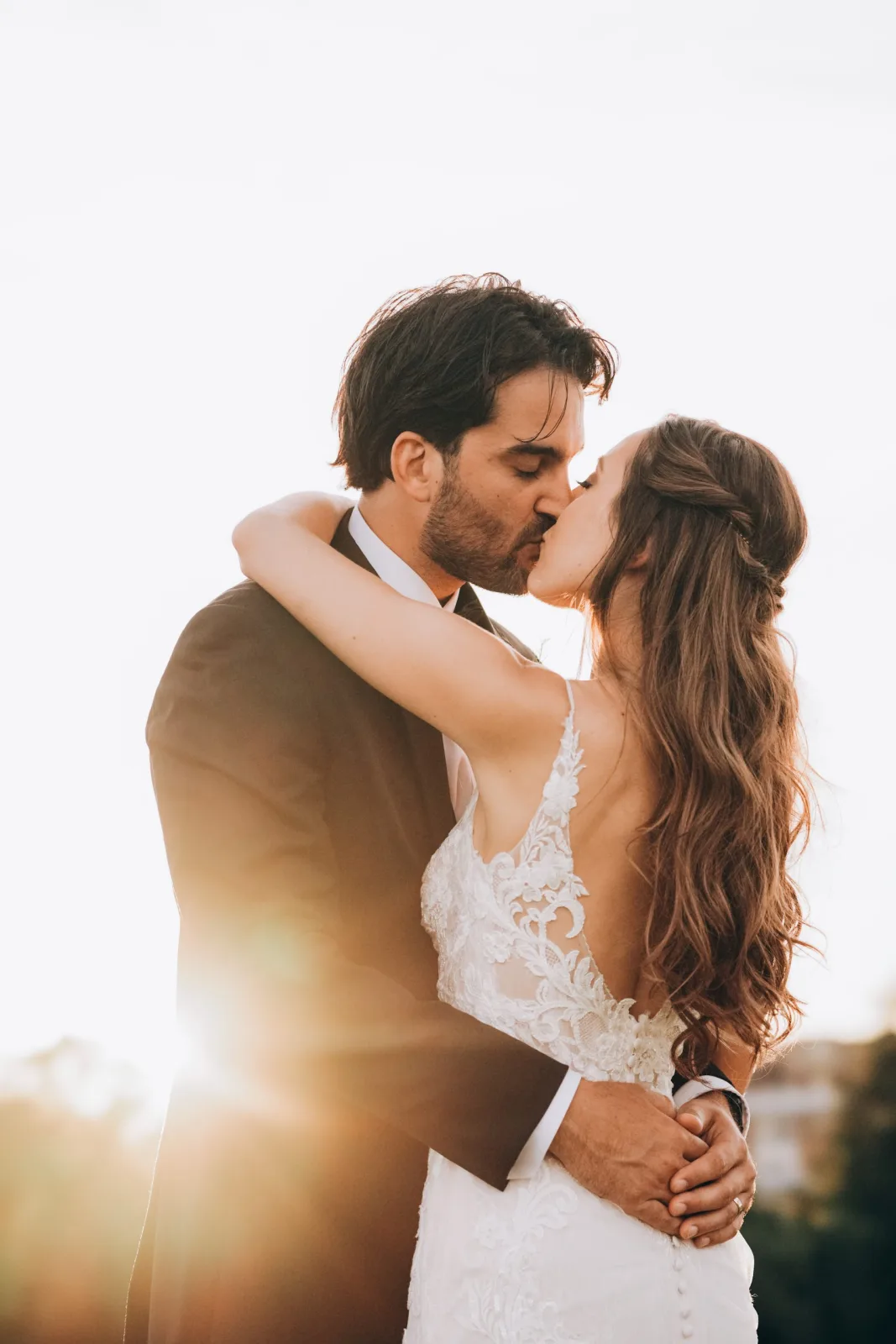
Since 2011, we have photographed Vietnamese weddings across the GTA — the Lễ Dạm Ngõ (engagement introduction ceremony), the Lễ Ăn Hỏi (the betrothal ceremony with its procession of gifts in red lacquered boxes), and the Lễ Cưới (the formal wedding day). Many Vietnamese families in Toronto observe all three ceremonies, either across multiple days or compressed into a single day's programme. We document each one on its own terms, knowing that each has its own distinct visual and emotional register.
Vietnamese weddings in the GTA draw from a large and established community concentrated in Scarborough, North York, and Mississauga, with strong Buddhist, Catholic, and secular traditions within that community. The áo dài — the traditional Vietnamese formal gown — appears at multiple points in the celebration, often in different colours for the betrothal and the wedding, and most brides change into Western bridal attire at some point in the day. We document every outfit transition as a meaningful moment in the visual story.
Vietnamese Wedding Traditions We Capture
Lễ Gia Tiên — The Ancestral Altar Tea Ceremony
The ancestral altar tea ceremony is the day's first formal rite and one of its most photographically intimate. The couple kneels before the family altar, offers incense and cups of tea to the ancestors, and receives tea in return from the parents as an act of blessing and formal incorporation into the family. We position for close coverage of the couple's hands with the tea cups, their bowed posture before the altar, the altar's incense smoke, and the faces of the parents and grandparents present during the rite. These images carry the emotional weight of the entire celebration.
Lễ Ăn Hỏi — The Gift Procession in Red Lacquered Boxes
The Lễ Ăn Hỏi (betrothal ceremony) centres on the formal procession of gifts from the groom's family to the bride's: betel leaves, areca nuts, cake, tea, wine, and other auspicious gifts carried in red lacquered trays decorated with golden ornaments, often covered in red cloth and borne by unmarried men and women. The procession's arrival — a column of matched pairs, each pair carrying their tray — is one of the most visually distinctive sequences in any Vietnamese wedding. We photograph the full procession: its approach, the formal transfer of trays, and the display of gifts arranged at the bride's family home.
Betel Leaf and Areca Nut — A Symbol with Deep Roots
Betel leaf (trầu) and areca nut (cau) are among the oldest and most deeply rooted symbols in Vietnamese wedding tradition — the opening line of a traditional Vietnamese saying about marriage begins with them. They are present at the altar, in the gift trays, and as symbolic objects throughout the betrothal ceremony. We photograph the trầu cau as dedicated detail objects — the prepared leaves, the areca fruit, the formal arrangement — treating them as culturally significant elements rather than generic decoration.
Áo Dài and Multiple Outfit Changes
The áo dài — the fitted Vietnamese traditional gown with its characteristic mandarin collar and flowing panels — is worn by the bride in at least two different contexts: a red or pink áo dài during the betrothal ceremony or morning rites, and often a white or ivory áo dài later in the day, before or after changing into Western bridal attire. The groom typically wears a matching áo dài during the ceremony. Each outfit has its own portrait register, and we dedicate specific time to capturing the áo dài in both formal and editorial portrait contexts.
Crowning and Jewellery — The Bride's Adornment
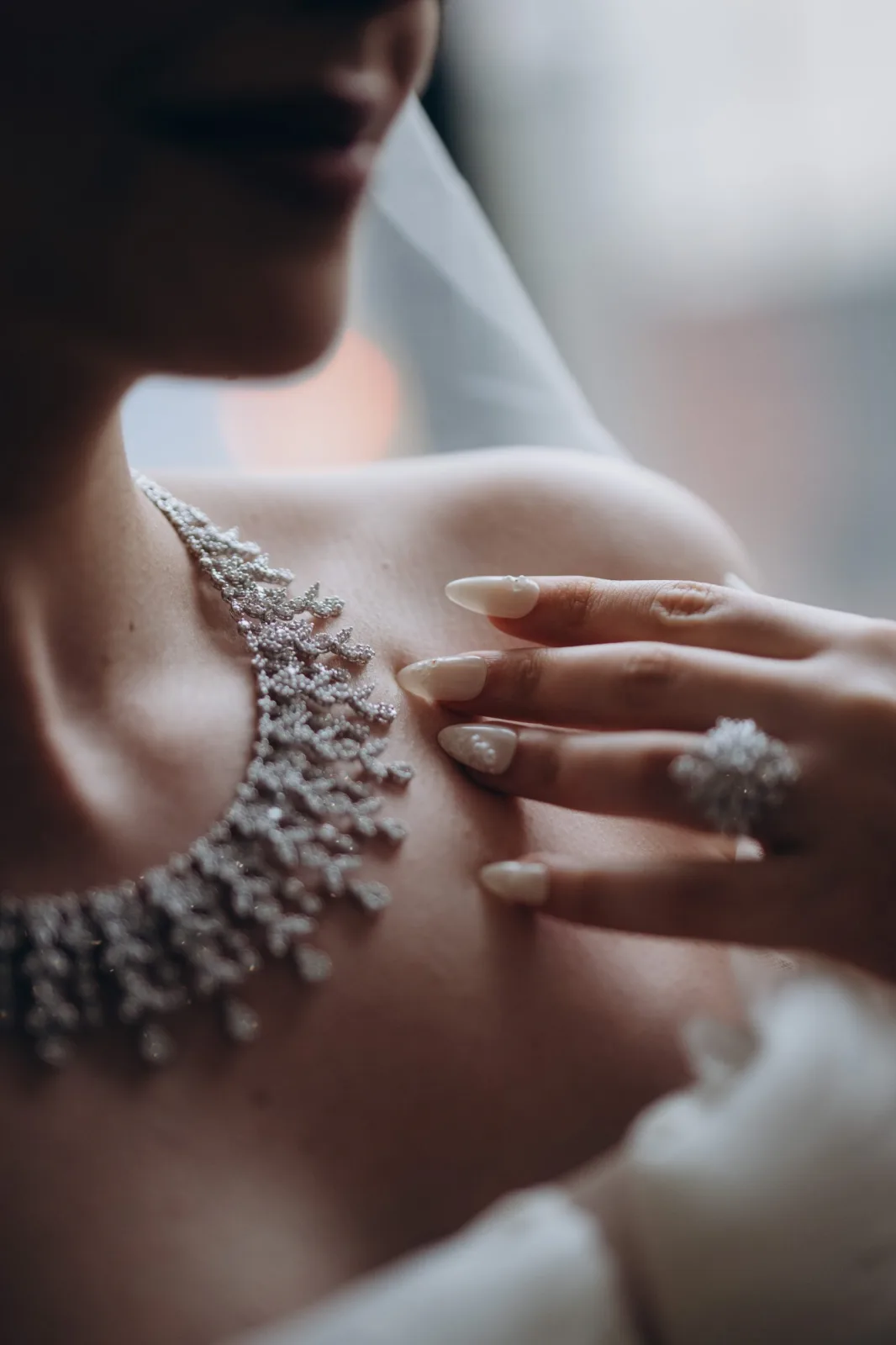
Vietnamese brides are adorned with a distinctive ensemble of traditional jewellery — often including a full set of gold necklace, earrings, bracelets, and hairpieces that are gifted by the groom's family as part of the betrothal ceremony. The jewellery presentation — when the groom's female relatives formally dress the bride with the gift pieces — is a significant photographic sequence. We document both the formal presentation of each piece and the completed adornment, treating the gold jewellery as both a ceremonial act and a set of portrait details.
Vietnamese Reception — Toasts, Tea Service, and Table Visits
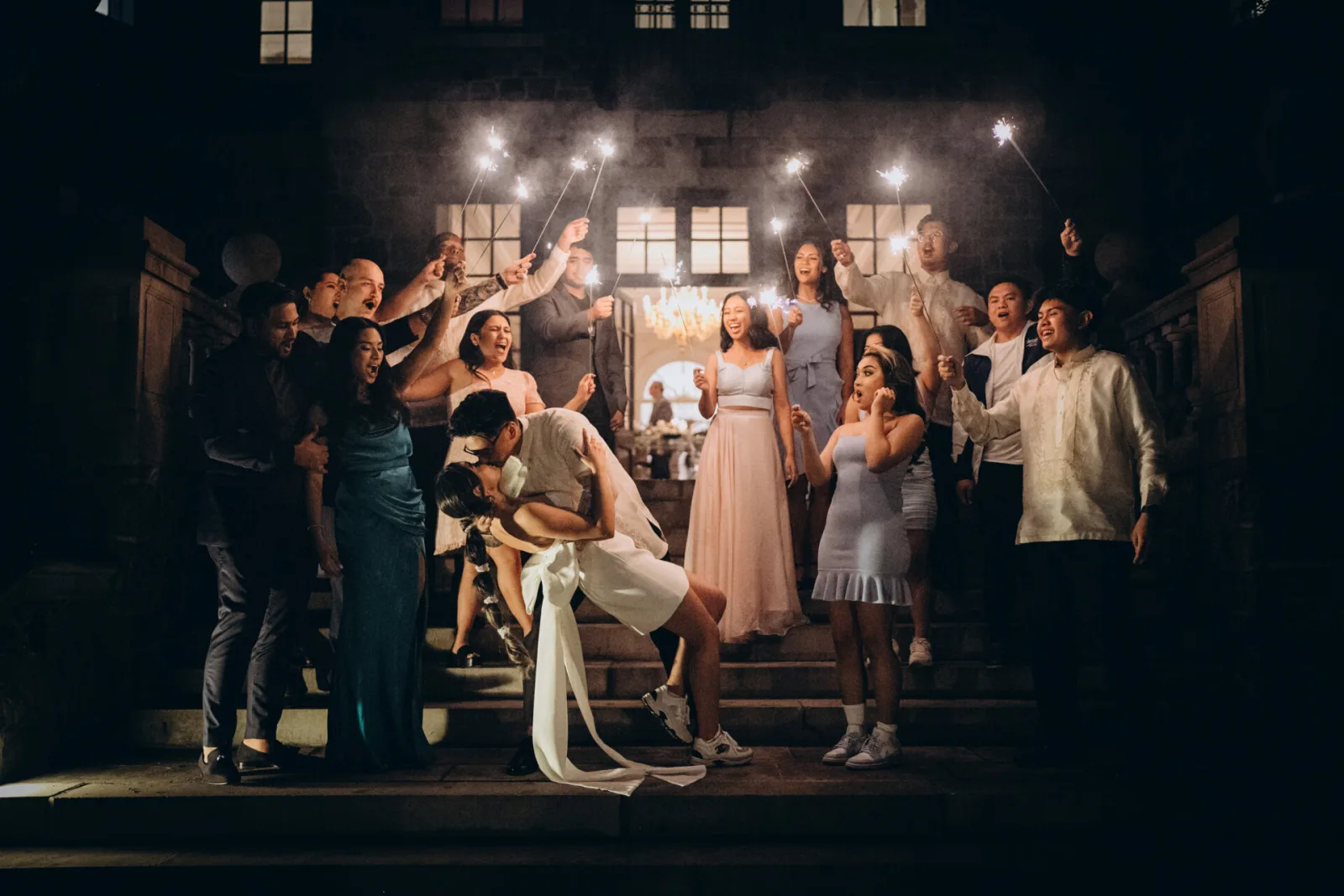
Vietnamese wedding receptions are characterised by a specific social programme: the couple moves table to table to offer tea or baijiu (rice wine) to guests, receiving wishes and red envelopes (bao lì xì) in return. This table-visit sequence is the reception's most photographically relationship-rich tradition — each stop is a distinct encounter with a family unit or friend group, and the couple's movement through the room generates a complete social portrait of everyone present. We document the full table-visit sequence alongside the formal toasts, speeches, and the traditional first dance.
Our Experience with Vietnamese Weddings in the GTA
Toronto's Vietnamese community is one of the largest in Canada, concentrated in Scarborough (particularly around the Agincourt area), North York, and Mississauga. Vietnamese weddings in the GTA range from conservative multi-day traditional celebrations to modern one-day events that compress the betrothal and wedding ceremonies into a single programme. We have documented both ends of this spectrum and everything in between.
The multi-event structure of a traditional Vietnamese wedding — Lễ Dạm Ngõ, Lễ Ăn Hỏi, and Lễ Cưới — means that comprehensive documentation often requires coverage across multiple occasions. The Lễ Ăn Hỏi in particular, with its procession of gift trays and its ancestral altar ceremonies at the bride's family home, is a complete event that rewards its own dedicated coverage. We quote multi-event coverage individually and plan each event's programme with the family in advance.
Vietnamese Buddhist, Catholic, and secular traditions all appear in the GTA's Vietnamese wedding community. Buddhist families often hold a ceremony at a Buddhist temple with its own ceremonial structure; Catholic Vietnamese families may hold a Mass before or after the traditional rites; secular families focus on the ancestral altar and betrothal traditions without the religious ceremony. We adapt to each family's specific programme.
The áo dài photography is one of the elements Vietnamese families most value from their wedding documentation. The formal portraits of the couple in matched áo dài — with the specific colour, embroidery, and family jewellery of their particular celebration — are images with no equivalent in Western wedding photography. We treat this portrait session with the dedicated time and care it deserves, using both natural and controlled light to capture the gown's textile and detail.
What Couples Say
4.9 ★★★★★ · 123 Google reviews“I recently had the pleasure of working with an incredible photographer who truly exceeded my expectations. His talent behind the camera is undeniable. Paul really went above and beyond for me by stepping out of his usual style and capturing some amazing fashion shots. I couldn't be happier with the final results and would highly recommend this photographer to anyone looking…”
“Our experience with Tara Weddings was absolutely incredible. From the first consultation to the final delivery, everything was seamless. Tim and the team were punctual, professional, and so easy to communicate with. On the wedding day, they blended into the background but still managed to capture every important moment. The photos have so much life and emotion—they instantly…”
“I can’t thank Tara Weddings enough for capturing our special day so beautifully! The team was professional, easy to work with, and made us feel so comfortable. The photos are stunning, and we’re obsessed with the video—it’s like a movie of our love story. Highly recommend!”
“My wife and I got recently married and they did such a great job capturing all of the moments. I couldn’t have asked for a better experience”
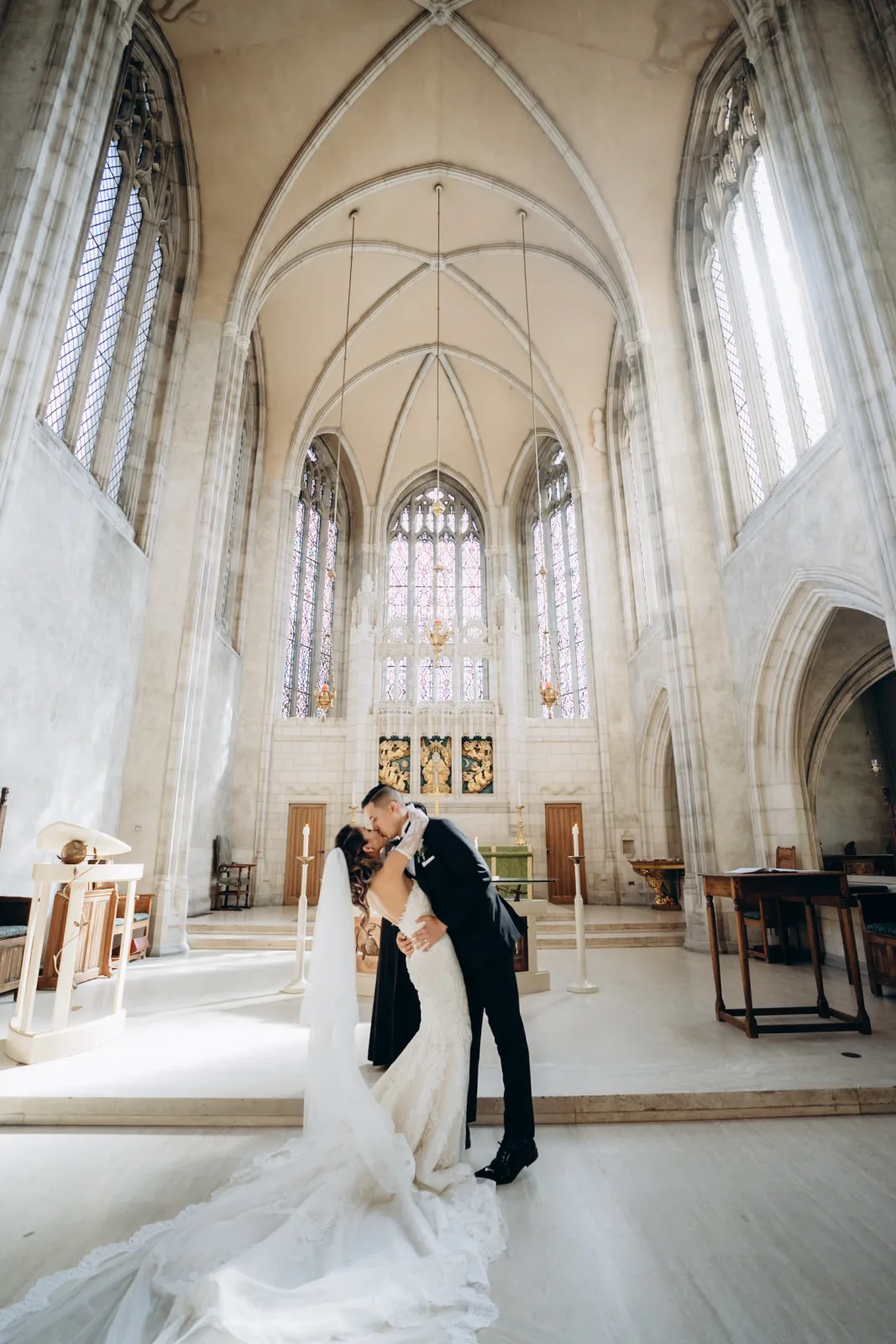
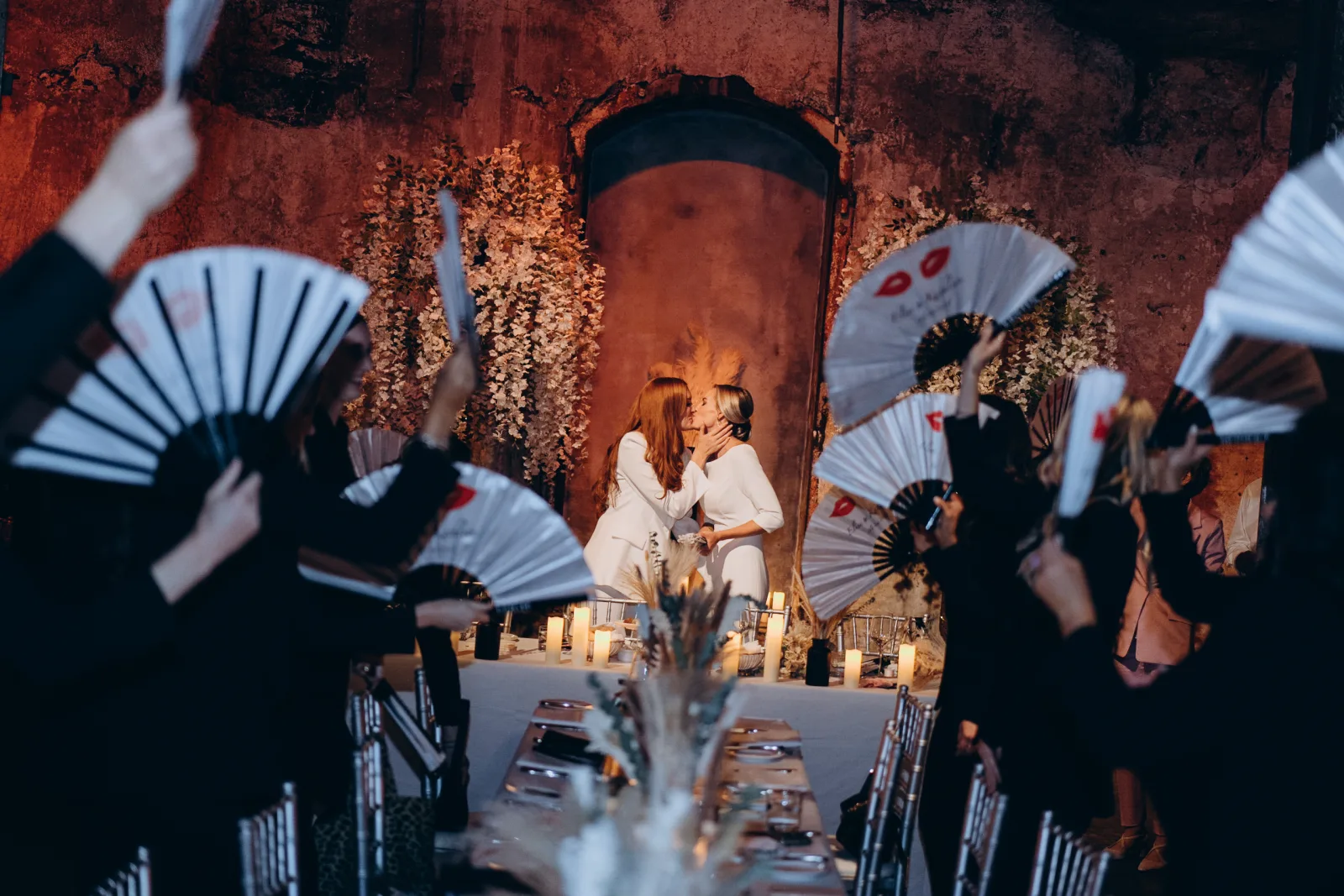
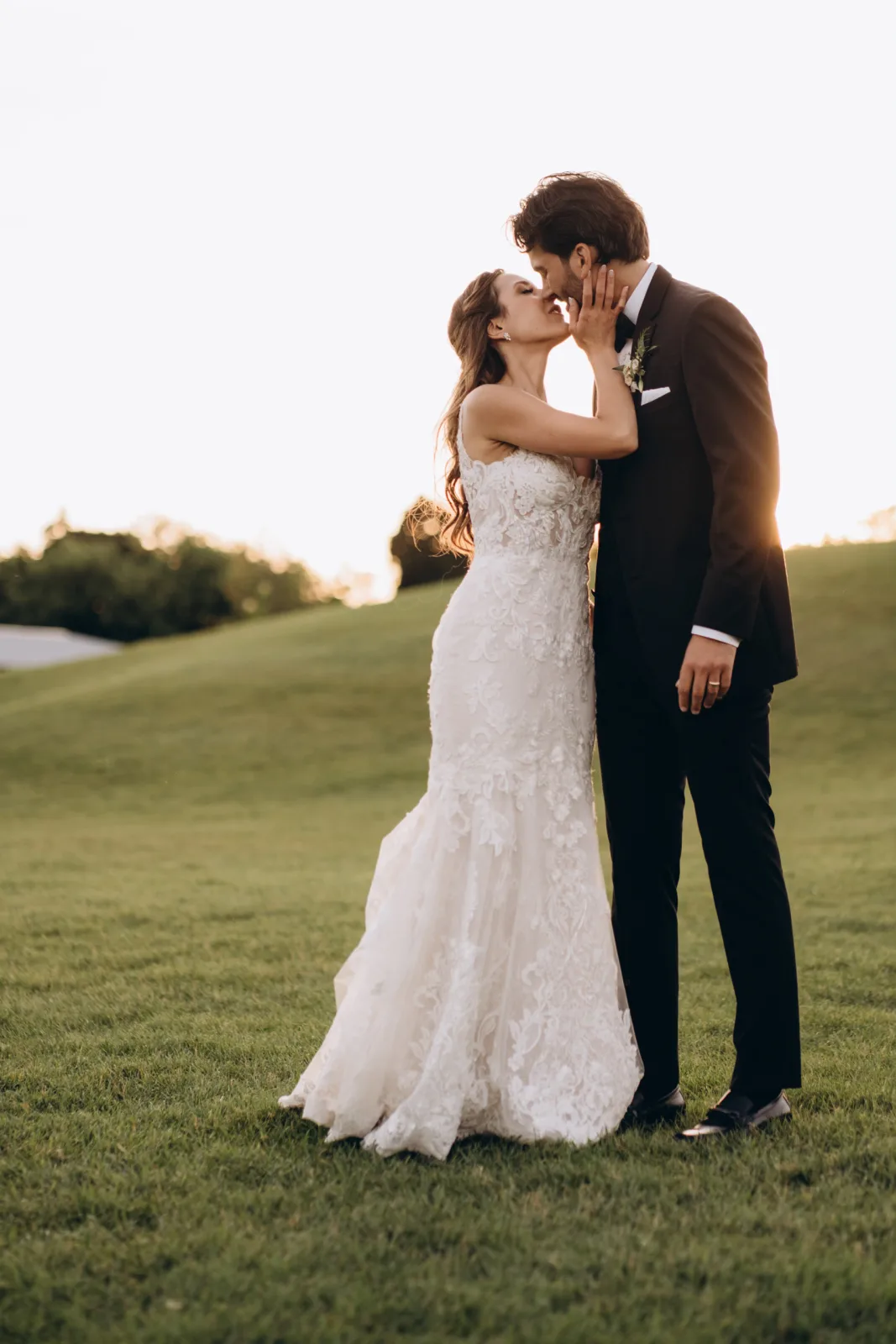
Our Approach to Vietnamese Wedding Photography
Vietnamese wedding photography requires a preparation approach that accounts for the ceremony's multiple locations and events. The Lễ Ăn Hỏi takes place at the bride's family home; the ancestral altar ceremonies may take place at a different family home or a temple; the reception takes place at a banquet venue. Each location has its own light, its own spatial constraints, and its own ceremonial focus.
For the ancestral altar ceremony specifically, we position before the ceremony begins — understanding the altar's placement, the available light, and the couple's movement during the rite. The incense smoke, the tea cups, and the couple's bowed posture are photographic elements that require close positioning and a deliberate approach to exposure in low ambient light.
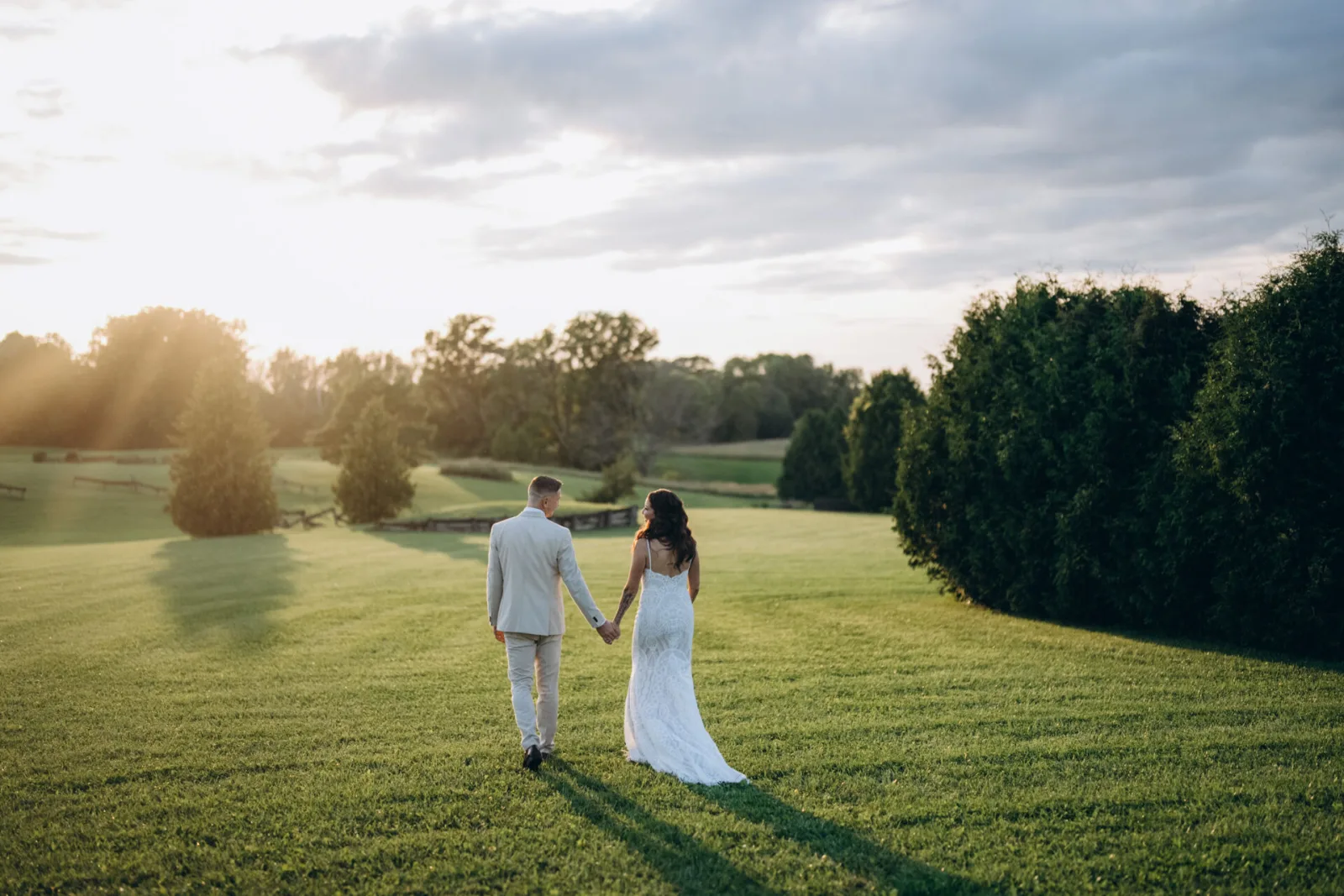
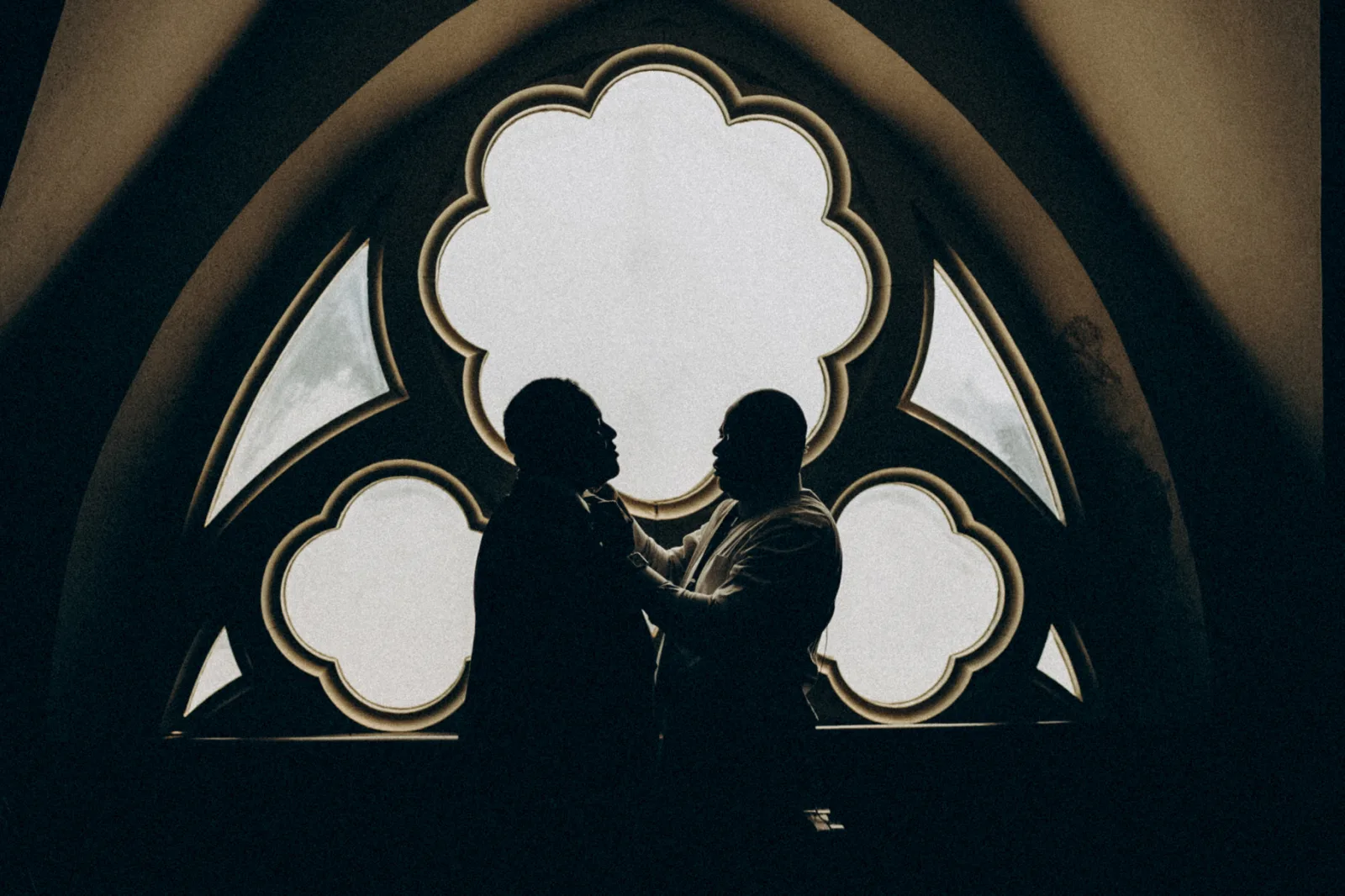
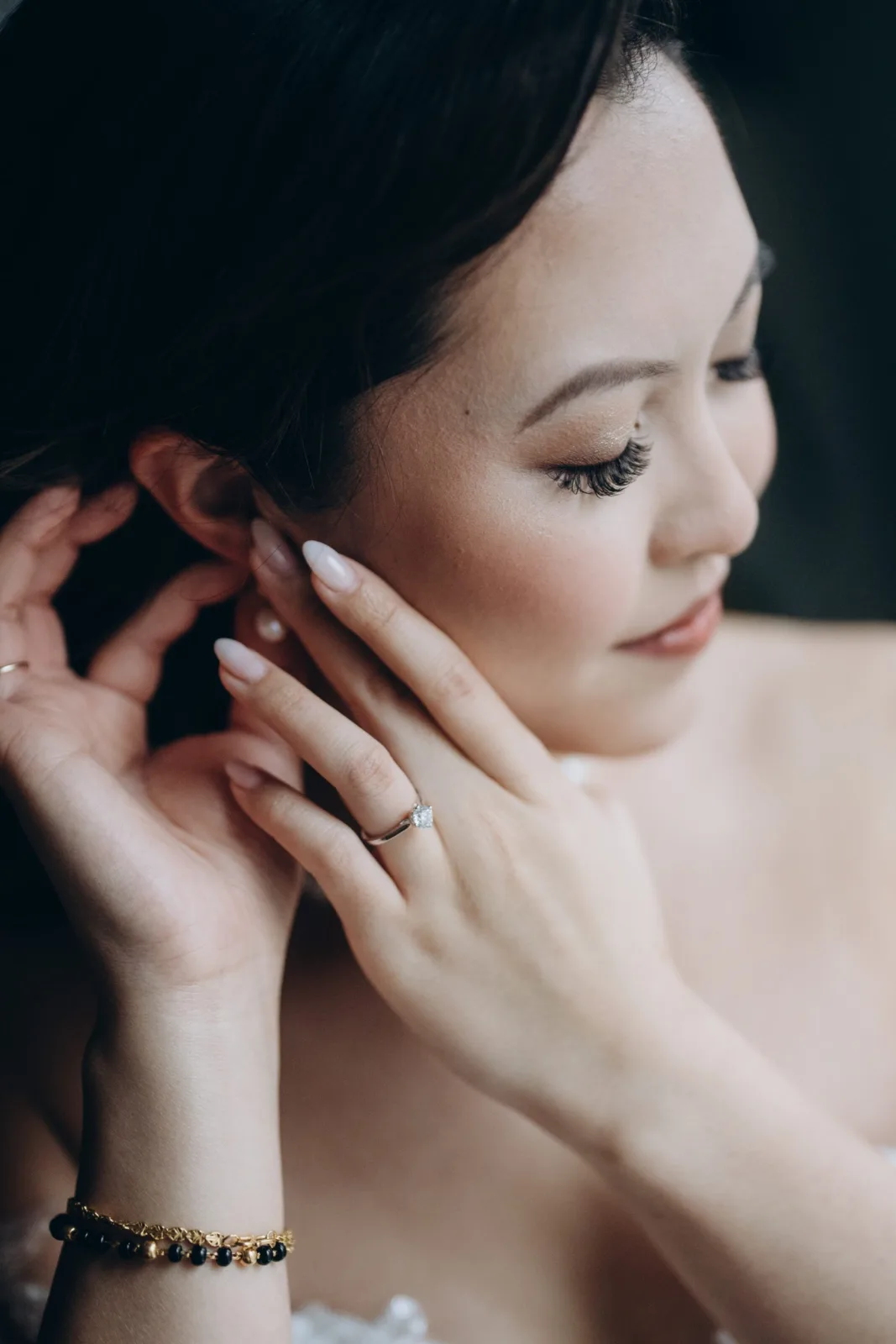
For the Lễ Ăn Hỏi procession, we position at the family home entrance to capture both the procession's approach and the formal transfer of trays. We then move inside for the altar ceremony, the jewellery presentation, and the family portrait programme that typically follows. We review the full programme with families during consultation to ensure every transition is planned.
Vietnamese Wedding Tips
Tell Us the Full Multi-Day Programme in Advance
Many Vietnamese families hold the Lễ Ăn Hỏi and the Lễ Cưới on different days, sometimes weeks apart. If your celebration spans multiple events, discuss the full programme during consultation so we can plan coverage for each event individually and provide an accurate quote. Each event has its own ceremonial focus and requires its own preparation.
Plan Dedicated Time for Áo Dài Portraits
The áo dài is one of the most photographically distinctive garments in any wedding tradition, and it deserves its own dedicated portrait session — not just a few photographs taken in passing. Build 20 to 30 minutes of portrait time into your programme specifically for the áo dài, ideally in a location with good natural light. If you are wearing multiple áo dài colours, let us know in advance so we can plan time for each.
Identify the Elder Family Members for Us
The ancestral altar ceremony and the family blessing sequences involve grandparents and senior family members in active ceremonial roles. Knowing who they are before the ceremony begins allows us to position for their specific moments — the grandparents' posture during the ancestral incense rite, the formal blessing exchange. Point them out when we arrive so we can introduce ourselves and plan accordingly.
Coordinate the Procession Arrival Time with Us
The gift procession at the Lễ Ăn Hỏi — the column of matched pairs bearing the red lacquered trays — requires us to be positioned at the family home entrance before the procession arrives, not after. Let us know the planned arrival time and the procession's route so we can be ready. The first ten seconds of the procession's approach are the most photographically important.
Consider Coverage at the Bride's Family Home
The most intimate and culturally specific moments of a Vietnamese wedding — the altar ceremonies, the jewellery presentation, the getting-ready sequence in the áo dài — happen at the family home, not at the wedding venue. Coverage that begins at the bride's family home rather than at the church or banquet hall captures a dimension of the celebration that nothing else can replicate.
Planning a wedding film alongside your photographs? Our Vietnamese wedding videography page covers how we capture the Lễ Gia Tiên, the procession, the áo dài, and the full arc of a Vietnamese celebration on film. Vietnamese wedding films →
More Traditions We Cover
Vietnamese Weddings — FAQ
Let's Talk About Your Vietnamese Wedding
Vietnamese weddings bring together ancestral tradition, family ceremony, and a celebration that honours both heritage and the couple's story. Reach out to discuss your programme, check availability, and learn how we approach Vietnamese wedding photography across Toronto and the GTA.